
What is Share of Life and why is it changing how we measure brands?

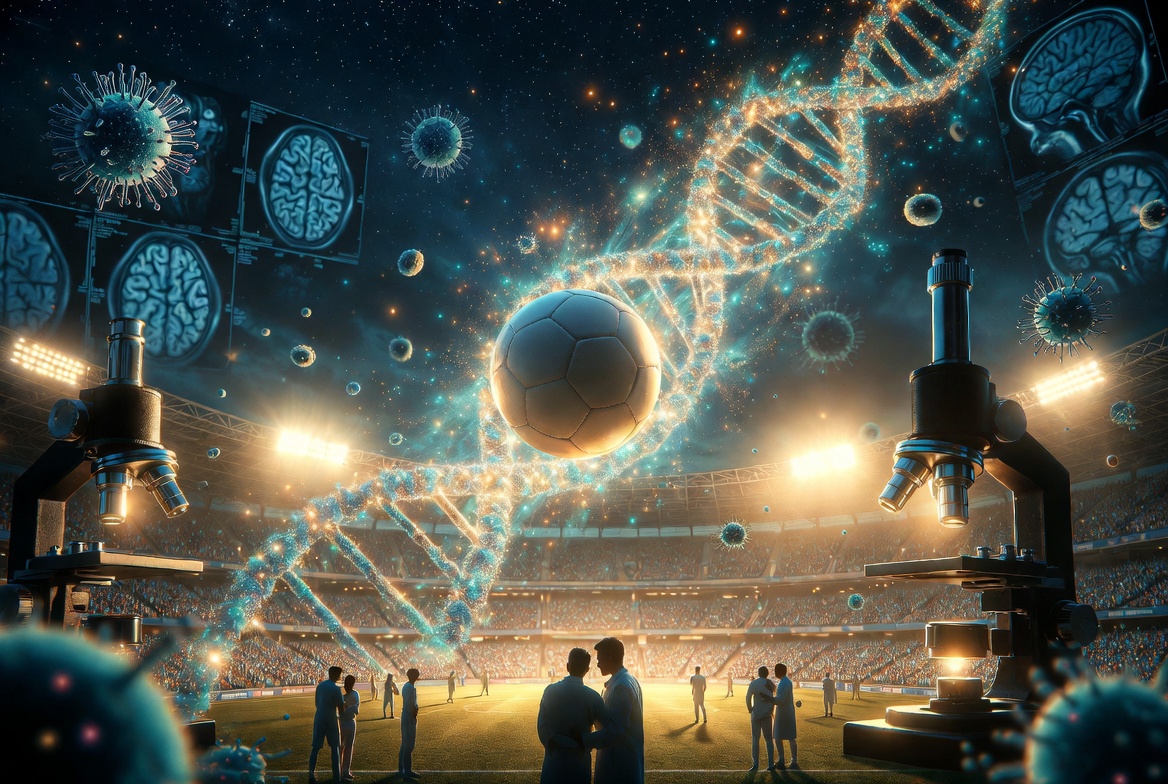
From June 11 to July 11, 2026, while 48 teams competed in the World Cup in the United States, Mexico, and Canada, something more profound was happening in laboratories, hospitals, and research centers around the world. These weren’t just news stories. They were turning points . Moments when medicine stops treating symptoms and begins to redefine what is possible.
This post, which moves me, inspires me, and fills me with hope, is not a summary. It’s a map of where we stand as a species in relation to health and medicine.
Convergence: When AI, Genetics, and Biotechnology Merge
The first thing to understand is that there are no longer separate disciplines. Artificial intelligence is not an external tool. It’s embedded in genetics, in diagnostics, in drug discovery. And that changes everything.
1. CRISPR in vivo and gene editing that is no longer the future
Following the milestones of 2025, 2026 solidified the historic leap forward in in vivo gene editing : editing genes inside the patient’s body, not in the laboratory. Technologies such as Prime editing and PERT (developed at MIT) allow for more precise corrections, with fewer errors.
But the most revealing event occurred on July 2, 2026 , when the Bioethics Observatory published an analysis of base editing in human embryos . It’s not traditional CRISPR. It’s more precise. Fewer side effects. More control.
Why it matters: Because it allows us to correct genetic diseases before birth. Cystic fibrosis. Sickle cell anemia. Muscular dystrophy. They could be eliminated in a single generation.
The challenge: Technology must be ready before ethics. What is a disease and what is an “enhancement”? Who decides?
2. AI that diagnoses brain tumors in minutes, not weeks
In July 2026, artificial intelligence systems began diagnosing brain tumors in minutes , reducing waiting times from weeks to hours. This isn’t just optimization; it’s a revolution in the treatment timeline .
The same applies to magnetic resonance imaging: AI allows for high-quality images to be obtained in a fraction of the traditional time, improving the patient experience and increasing the capacity of medical centers.
And on June 24 , an AI model achieved diagnostic accuracy superior to that of pediatricians and primary care physicians in detecting acute otitis media by analyzing videos of the tympanic membrane.
Why it matters: Because AI doesn’t replace doctors. It amplifies their capabilities . Where there was once a diagnosis, there is now certainty. Where there was once waiting, there is now immediate action.
3. Materials discovery and quantum simulation: AI that accelerates chemistry
Artificial intelligence enabled the discovery of new superconductors and advanced materials , optimizing processes that previously took years of traditional research.
Quantum simulation models have reached a point where they can predict how molecules fold and bond at previously unattainable levels, radically accelerating the discovery of new drugs .
Why it matters: Because what used to take a decade now takes months. The pace of pharmaceutical innovation is shrinking.
II. Oncology. When cancer ceases to be a death sentence
Cancer remains the second leading cause of death worldwide. But in recent weeks, oncology has seen advances that are not just “promising.” They are transformative .
4. Frog bacteria eliminates colorectal tumors in mice with a single dose
In July 2026, researchers from Japan Advanced Institute of Science and Technology isolated a bacterium ( Ewingella americana ) from the intestines of Japanese tree frogs. In mouse models of colorectal cancer, a single intravenous dose completely eliminated tumors in 100% of cases .
It works by directly attacking cancer cells (taking advantage of the hypoxic environment of tumors) and activating a strong immune response, generating immunological memory that prevented recurrences.
Why it matters: Because it revives interest in oncolytic bacterial therapies . It’s not chemistry. It’s biology using biology.
5. Pancreatic cancer detected in minutes with a drop of blood
Pancreatic cancer is one of the most lethal (5-year survival rate: ~10%) precisely because it is diagnosed late.
In July 2026, researchers developed a method that detects pancreatic cancer in minutes using only a blood sample.
Why it matters: Because it transforms a terminal cancer into a potentially treatable one. The difference between a stage 4 and a stage 1 diagnosis is the difference between months and years of life.
6. Massive liquid biopsy to detect 50 types of cancer before symptoms appear
More comprehensive results are being published on tests capable of detecting around 50 types of cancer through a single blood test, identifying the origin of the tissue before clinical symptoms appear.
Why it matters: Because it transforms cancer from a reactive disease (“we treat when there are symptoms”) to a preventative disease (“we detect before it exists”).
7. Cancer immunotherapy wins the 2026 Science Vanguard Award
On July 4, 2026 , the creation of genetically modified immune cells to fight cancer was chosen as the most relevant scientific research led by women in Spain in the past year. The work of Aura Muntasell (Hospital del Mar Research Institute and Universitat) Autonomous University of Barcelona) developed a new immunotherapy that allows the immune system to recognize and attack tumors more effectively.
Why it matters: Because it’s not a drug. It’s teaching the body to see what it couldn’t see before.
8. Nanoparticles, creatine, and mRNA vaccines. The expanding cancer ecosystem
- Silica nanoparticles eliminated aggressive prostate cancer in mice and boosted immunotherapy.
- Creatine may boost the immune response against cancer by energizing dendritic cells .
- mRNA cancer vaccines are recruiting unexpected immune cells, training the immune system to recognize previously “invisible” cancer cells.
- Progress in RAS inhibitors and bispecific antibodies (such as ivonescimab ) with strong survival data in lung and pancreatic cancer.
Why it matters: Because cancer is no longer fought with a single weapon. It’s a therapeutic ecosystem : immunotherapy, nanoparticles, personalized vaccines, gene editing.
9. Experimental electromagnetic treatment against tumors
Clinical trials are evaluating an experimental electromagnetic treatment that could destroy tumors without damaging healthy tissue, offering a promising alternative to conventional radiotherapy.
Why it matters: Because it could eliminate the most devastating side effect of radiotherapy: damaging healthy tissue.
III. Neuroscience. When the brain ceases to be a black box
Alzheimer’s affects more than 55 million people. There is no cure. There is no treatment that stops its progression.
Until now.
10. Molecule that “reprograms” the brain’s defenses against Alzheimer’s
In July 2026, scientists identified a molecule that can “reprogram” the brain’s natural defenses to fight Alzheimer’s. Instead of directly attacking amyloid plaques, this molecule strengthens neuronal protection mechanisms .
Why it matters: Because it’s a paradigm shift: not fighting the disease, but boosting the body’s defenses.
11. Catalonia leads a clinical trial in Europe to improve symptoms of early-stage Alzheimer’s.
On June 8, 2026 , the Germans Hospital Trias Hospital in Catalonia has begun the first clinical trial in Europe studying the use of ventriculoperitoneal shunts to improve symptoms of early-stage Alzheimer’s disease. This innovative surgical approach could slow the progression of the disease.
Why it matters: Because Europe is joining the frontier of Alzheimer’s treatment. It’s not just the United States or Asia.
12. Neurotechnology and the brain-machine interface that merges senses
Promising studies continue to emerge on the brain-machine interface and how the brain merges sensory stimuli (sight, hearing, touch) to create a unified reality, opening doors to new forms of neurological rehabilitation .
Why it matters: Because it could allow people with neurological damage to regain lost functions. This isn’t science fiction. It’s brain engineering.
IV. Regenerative Medicine and Bioengineering: When the Body Repairs Itself
13. Tissue bioprinting.
Technology has made the leap from the laboratory to the clinic with the first trials of bioprinted corneal implants and the development of artificial knee cartilage created from the patient’s own cells.
Why it matters: Because we no longer depend on donors. The body can repair itself with its own cells.
14. Regenerative medicine.
Progress is being made in organ regeneration using the patient’s own stem cells, a fundamental step in reducing dependence on donors.
On June 25, 2026 , the California Institute for Regenerative Medicine (CIRM) approved its largest research budget ever: $662 million earmarked for stem cell therapies and regenerative medicine.
Why it matters: Because the shortage of organs for transplantation is one of the biggest bottlenecks in modern medicine. This could eliminate it.
15. Advances in treatments for sickle cell disease
On June 19, 2026 , three years after the FDA approved the first gene therapies for sickle cell anemia (Lyfgenia and Casvegy ), significant progress continues to be made in treatments that could cure this genetic disease.
Why it matters: Because sickle cell anemia affects millions, especially in Africa and Afro-descendant communities. A cure would be a milestone in health equity.
V. Public health and pharmacology: when prevention replaces treatment
16. New class of antibiotics that kills drug-resistant bacteria
Researchers have discovered a new class of antibiotics capable of eliminating multidrug-resistant bacteria, one of the biggest challenges in modern medicine.
Why it matters: Because antibiotic resistance could cause 10 million deaths annually by 2050. This is a setback.
17. Ambroxol improves the effectiveness of tetracyclines against multidrug-resistant bacteria
On June 22, 2026 , a study showed that ambroxol , a common mucolytic, can break down Klebsiella biofilms multidrug-resistant pneumoniae , enhancing the activity of antibiotics such as tetracyclines.
Why it matters: Because it uses an existing drug to enhance another. It’s a low-cost, high-impact strategy.
18. Research on GLP-1 ( Ozempic / Wegovy ): effects beyond weight
Surprising side effects and behavioral changes beyond weight loss have been reported, including studies on its impact on reducing violent behavior and changes in patients’ physical activity levels.
Why it matters: Because these drugs don’t just change bodies. They could change behaviors .
19. Advances in HIV: the RIO trial and the search for a functional cure
The RIO trial (a collaboration between Rockefeller, Imperial College and Oxford) continues to test long-lasting neutralizing antibodies, seeking strategies for a functional cure that reduces the need for daily treatment.
Why it matters: Because HIV is no longer a death sentence, but it still requires lifelong treatment. A working cure would change that.
20. Drug that can prevent the onset of rheumatoid arthritis
Researchers have identified a drug that could prevent rheumatoid arthritis before clinical symptoms appear , opening the door to preventative strategies rather than just palliative treatments.
Why it matters: Because it’s the shift from “treating when it hurts” to “preventing before it hurts.”
21. Atropine 0.01% slows the progression of childhood myopia
On July 1, 2026 , daily use of one drop of 0.01% atropine significantly reduced the progression of myopia in children, with tolerability comparable to placebo.
Why it matters: Because severe myopia can cause blindness. Prevention is better than correction.
22. Vitamin C reduces the severity of common cold symptoms
On June 29, 2026 , a meta-analysis highlighted by UpToDate revealed that administering vitamin C decreases the severity of the common cold by 15% and shortens its duration in severe cases.
Why it matters: Because it scientifically validates a traditional remedy. It’s not magic. It’s evidence.
23. Probiotics as adjunctive therapy in geriatric depression
On July 3, 2026 , daily supplementation with Lactobacillus helveticus and Bifidobacterium longum may contribute moderately to the improvement of depressive and anxiety symptoms in older adults.
Why it matters: Because it strengthens the gut-brain connection . Mental health isn’t just in the brain.

VI. Diagnosis and monitoring: when technology becomes invisible
24. Ingestible sensor for measuring intrabody temperatures
In July 2026, they developed a sensor that can be ingested and measure internal body temperatures in real time, useful for monitoring fever, inflammation, and other conditions without the need for invasive procedures.
Why it matters: Because it makes monitoring passive. You don’t have to do anything. Just swallow it.
25. Advance in MRI with metamaterials: clearer and faster images
In July 2026, scientists redesigned MRI antennas using metamaterials , allowing sharper images of difficult areas (such as the eye and occipital regions of the brain) in less time, without the need for expensive new hardware.
Why it matters: Because it improves diagnoses without increasing costs. It’s pure accessibility.
26. Biomarkers and male infertility
Significant progress has been made in identifying biomarkers associated with male infertility , improving diagnostic tools in this field.
Why it matters: Because male infertility is an underdiagnosed problem. This provides concrete tools.
VII. Women’s Health and Chronic Conditions: When the Invisible Becomes Visible
27. Endometriosis is associated with a 22% increased risk of cardiovascular disease.
On July 8, 2026 , a meta-analysis with more than three million participants revealed that endometriosis significantly increases the risk of myocardial infarction, coronary heart disease, and cerebrovascular events.
Why it matters: Because endometriosis is no longer just “period pain.” It’s a cardiovascular risk factor . It changes how millions of women are monitored.
28. One in four adults with diabetes has hearing loss
On July 6, 2026 , a global study found that moderate to severe hearing loss affects 25% of adults with diabetes, with the highest risk in those under 60 and in low- and middle-income countries.
Why it matters: Because diabetes is no longer monitored solely with glucose. Now it’s also monitored with hearing.
29. COPD can reduce life expectancy by up to 50%.
On June 19, 2026 , a study revealed that chronic obstructive pulmonary disease (COPD) can reduce life expectancy by up to 50%, an impact comparable to or greater than that of hypertension, obesity, diabetes, and smoking.
Why it matters: Because COPD is underestimated. This puts it on the map of the deadliest diseases.
30. New therapeutic approach to combat polycystic liver disease
Researchers have identified a new therapeutic pathway to treat polycystic liver disease, a genetic condition that causes multiple cysts in the liver and previously lacked effective treatment options.
Why it matters: Because it gives hope where there was nothing before.
31. Key strategies for the effective management of low back pain
On June 26, 2026 , new guidelines emphasized a comprehensive treatment of lower back pain that includes physiotherapy, psychological interventions, and drugs such as NSAIDs and muscle relaxants.
Why it matters: Because lower back pain is the leading cause of disability worldwide. Treating it properly is a matter of public health.
32.HIFU facial: rejuvenation without surgery
HIFU (High- Intensity Focused Ultrasound) technology Focused Ultrasound is positioned as a non-invasive alternative for facial rejuvenation, using focused ultrasound to stimulate collagen production without incisions.
Why it matters: Because cosmetic medicine no longer requires surgery. It’s less risky, more accessible.
VIII. AI and when technology is a double-edged sword
33. Chatbots and medical misinformation: almost 50% of responses are problematic
On June 17, 2026 , an audit of five generative AI models found that nearly 50% of the medical responses were problematic , particularly on topics related to stem cells, athletic performance, and nutrition.
Why it matters: Because millions of people already use chatbots to check symptoms. If half the answers are incorrect, we’re facing a silent public health crisis .
IX. What comes next
34. Weight loss pills: orforglipron outperforms semaglutide
New oral option ( orforglipron ) outperformed oral semaglutide in trials for type 2 diabetes and obesity.
Why it matters: Because obesity is one of the epidemics of the century. Every new option is another weapon.
35. Diets and longevity: low in animal protein, intermittent fasting
Studies on diets (low in animal protein, intermittent fasting) and their impact on longevity and weight control.
Why it matters: Because nutrition stops being “advice” and becomes evidence .
36. Concerns about chemical exposure in pregnant women and the use of supplements
Ongoing concerns about chemical exposure in pregnant women and supplement use (e.g., omega-3 with no clear benefit on cognition).
Why it matters: Because not everything marketed as “healthy” actually is. Evidence matters.
X. The moment we are living in
These 36 advances are not a list. They are a pattern .
- Medicine is becoming predictive: We detect cancer before there are symptoms. We prevent arthritis before there is pain.
- Medicine is becoming personalized: mRNA vaccines made with the patient’s own mutations. Targeted gene therapies.
- Medicine is becoming regenerative: We don’t replace organs. We regenerate them.
- AI doesn’t replace doctors. It amplifies their work: faster, more accurate, and more accessible diagnoses.
- Ethics lags behind technology: We can edit embryos. But should we?
Football fades. Science, when it’s genuine, remains.
The 2026 World Cup will end. There will be a champion. There will be heroes. There will be tears. Life will go on.
On the other hand, if everything goes as planned, in this field, within ten years, there will be people alive thanks to this science . People who didn’t develop Alzheimer’s. People whose cancer was detected early. People who were born without a devastating genetic disease.
That’s a great goal for humanity.
And while football teaches us that eleven players can represent a nation, science teaches us that eleven molecules, eleven cells, eleven lines of code can represent the future of humanity .
I write to you when I have something to tell you.
Get an email every time I publish something new.
Your email will only be used to send you what I publish. Privacy policy
Related posts


