
Believers, not consumers: the power of shared commitment
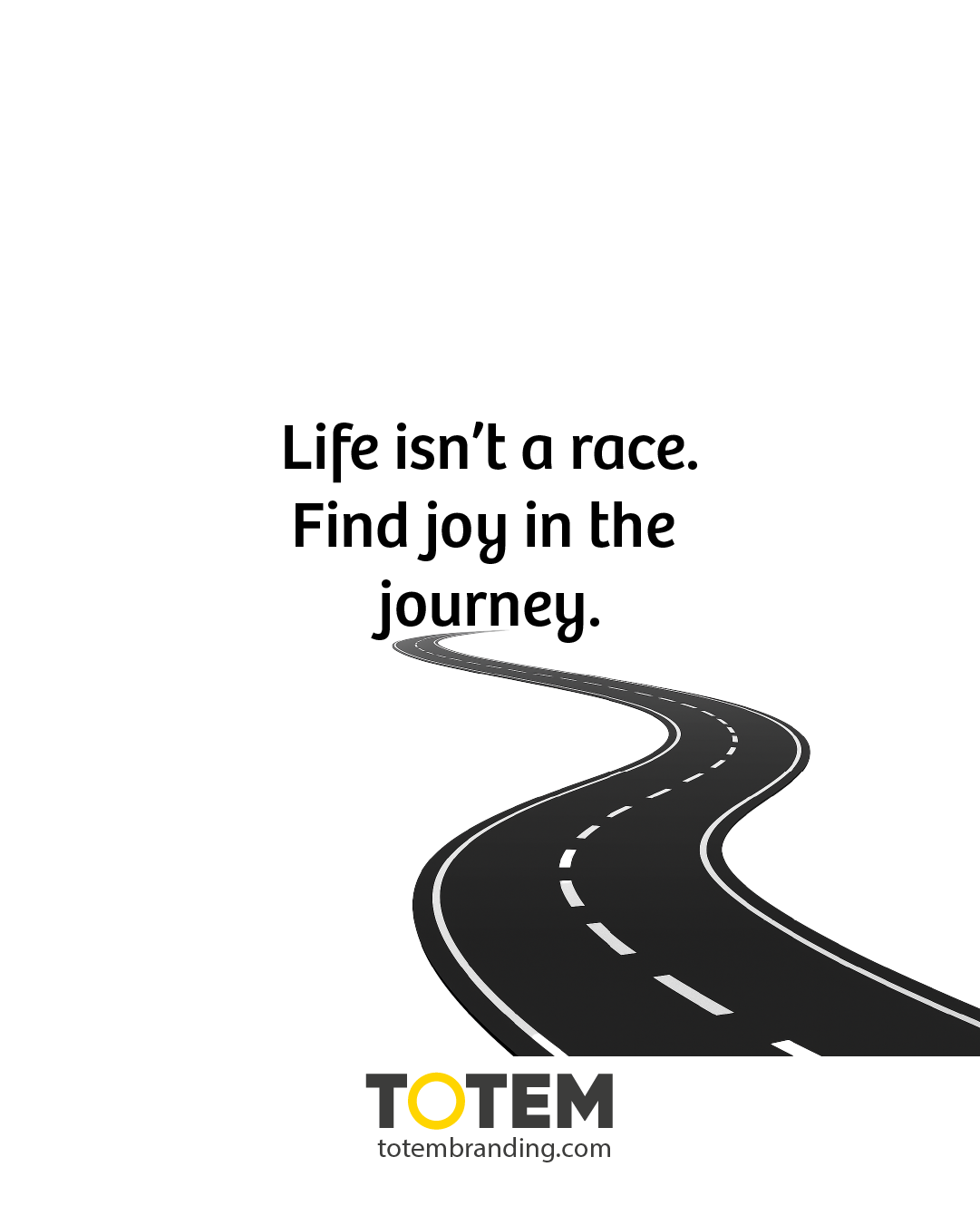
We live in a hurry, but we don’t know exactly where we’re headed. We’ve confused speed with progress, response with connection, and commitment with meaning.
In this world where every second counts —literally—everything must arrive before we want it to, or it’s too late.
That’s why we push the button. Again and again. Tirelessly, incessantly.
The promise of immediacy has reshaped our habits, our expectations, and even our way of feeling.
Between the mark, the rush, and forgetting, we are losing the ability to wait, to sustain, to be.
Being human becomes a countercultural act in a culture that wants everything now, even if it doesn’t know what to do with it later.
The ubiquitous button
We’re programmed—literally—to crave immediacy.
One button and the food arrives. One button and the groceries appear at the door. One button and a song plays. One button and you’ve got your birthday present. One button and the concert ticket is on your phone. The tap economy promised us efficiency. But it also trained us, without us noticing, in intolerance of waiting. Time, once a natural dimension, is now an obstacle. What doesn’t happen anymore seems to be of no use.
How it affects us cognitively
From a cognitive-behavioral perspective, this has a name: immediate reinforcement .
When an action generates an instant reward, the brain releases dopamine. This not only reinforces the behavior: it creates dependence on the quick result.
And when that reinforcement doesn’t arrive, the other extreme appears: frustration, irritability, avoidance, or abandonment.
Waiting becomes uncomfortable. Sustaining a process becomes exasperating. Tolerating uncertainty becomes almost pathological. We are unconsciously losing the ability to sustain effort without immediate gratification. And that has consequences for relationships, learning, deep work, and our sense of purpose.
Sociology of immediacy
On a collective level, we live in an accelerated society: everything accelerates because everything can be accelerated. But not everything should . Because not everything can , without losing meaning or quality.
Algorithms optimize delivery. But they can’t give birth to a child, grow a tree, build trust, or mature an idea. The danger is that, under the paradigm of the instantaneous, we stop valuing what takes time. And since there’s no button to write a novel, raise a child, or heal a wound, all of that is displaced by what does enter into the logic of the click. The profound begins to seem inefficient. The slow, useless.
What kind of people are we being?
We are, without realizing it, addicted to visible and rapid results. People
who have a hard time tolerating ambiguity. People who feel anxiety around work in progress .
People who open tabs but don’t finish books.
People who want impact but avoid the process.
And it’s not because we’re weak. It’s because the system reinforces only one type of behavior: the one that shows an effect now .
SOS or I am
We race without a map, simply because we don’t know how to stop. We go fast, but we’re not sure we’re getting anywhere. We accelerate out of habit, not sense, driven more by urgency than purpose.
Always busy, rarely present. We move on autopilot, trapped in a speed we mistake for progress, when in reality it only distances us from ourselves.
Is it possible to reconcile?
Yes. But not with another button.
We need to cognitively retrain ourselves to restore tolerance for delay and the relevance of the process. This involves:— Accepting that there is value in what is not immediately apparent.— Recognizing that real learning, deep relationships, and valuable creations take time.— Designing environments—personal and professional—that allow for breathing, not just reaction.
Ultimately, it’s about balancing the urgent with the important. It’s
about accepting that we can live in a button-based world without becoming completely functional to it.
And it’s about remembering that some things—the ones that truly matter—can’t be rushed. They can only be accompanied.
There’s no push-button for building a meaningful brand.
Just consistency, listening, time… and the path. The question is: are we still willing to take it, without demanding immediate results?
I write to you when I have something to tell you.
Get an email every time I publish something new.
Your email will only be used to send you what I publish. Privacy policy
Related posts


